
GUERRE brings together a diverse consortium of universities, museums, and cultural organizations dedicated to preserving WWI heritage in the Balkans.

Empowering Innovators Everywhere. JOIST Innovation Park strategically establishes a phygital ecosystem that boosts innovation and knowledge transfer through a powerful network across Europe. The Innovation Park ensures that its community is empowered and that its unique ideas grow and thrive.
Located in the center of Greece, Larissa, JOIST offers a broad range of services and spaces to learn, network, collaborate, play, exhibit, and grow. The Innovation Park enhances knowledge distribution and management, boosts entrepreneurial spirit, amplifies and accelerates impact and business results, establishes collaborative networks, facilitates local community development and inspires pupils, students and youth.
JOIST is the port of call for academic institutions, small and medium-sized enterprises, startups, business-minded individuals, scientists, innovation enthusiasts and anyone interested in developing new ideas, products and services.

The Department of History and Archaeology at the University of Patras is a forward-looking academic department that combines deep respect for cultural heritage with a strong commitment to innovation and interdisciplinarity.
Established in 2019, the Department evolved from the former Department of Cultural Heritage Management and New Technologies, building on its pioneering legacy in the integration of humanities and technology. Today, it offers a robust academic portfolio that spans the history and archaeology of the Mediterranean world, from prehistory to the modern era, including the Aegean, Greek, Roman, Byzantine, Venetian, Ottoman, and contemporary periods.
What distinguishes the Department is its modern, holistic approach. In addition to core studies in history and archaeology, it emphasises cultural heritage management, museum studies, public archaeology, and digital humanities, thus providing students with the tools to engage with historical narratives using cutting-edge technologies.
Through undergraduate, postgraduate, and doctoral programs, the Department nurtures a vibrant academic environment led by experienced scholars and researchers. Its strategic location in Patras offers students and staff access to rich archaeological resources and active fieldwork opportunities.

The Ss. Cyril and Methodius University in Skopje (SCMU) is a public higher educational institution and the first state university in North Macedonia. SCMU comprises 23 faculties, 5 research institutes and 4 public scientific institutions. SCMU offers high-standard teaching and research in all scientific fields – natural sciences and mathematics, technical and technological sciences, medical sciences and health, biotechnology sciences, social sciences, humanities and arts.
Nowadays, over 60.000 domestic and foreign students are following the first, second and third cycle studies.
The Faculty of Philosophy in Skopje, as part of SCMU, consists of 12 departments, from humanities and social science disciplines, including History, History of Art and Archaeology, Classical studies, and other departments. Also, there are 11 research centres within the Faculty of Philosophy, among which: Balkan Peace Studies Center, Center for Intercultural Studies and Research etc.
At the moment, the Faculty of Philosophy is coordinating or is a partner in more than 10 international scientific projects.

The University of Belgrade − Faculty of Philosophy (UBFZF) is the oldest and most prominent institution of higher education in Serbia, but also among the oldest in South-Eastern Europe. It is the most prominent humanities and social sciences education institution in the country with a number of prominent alumni and faculty members.
At present, the UBFZF teaching stuff employs about 255 professors and enrols around 6000 students at all academic levels offering bachelor, master, and doctoral programs at ten different departments with regards to highest scientific standards: Philosophy, Sociology, Psychology, Pedagogy, Andragogy, Ethnology and Anthropology, History, History of Art, Archaeology, and Classical Sciences.
The UBFZF follows activities of prominent international exchange programs as well as the international academic programs and networks such as: ERASMUS+, CEEPUS, Jean Monnet, COST, Horizon 2020, Creative Europe etc. UBFZF promotes human rights and freedoms and contributes to the development of this area through its study programmes and various academic activities.

The Institute of Ethnology and Folklore Studies with Ethnographic Museum – Bulgarian Academy of Sciences, is among the oldest and most prestigious academic institutions in Bulgaria. It plays a leading role in fundamental and applied scientific research in the fields of ethnology, folklore studies, historical, cultural and social anthropology, art studies and museology.
IEFSEM-BAS consists of eight scholarly departments specializing in different spheres of ethnological and folklore studies research, a National Ethnographic Museum, and a National Center for Intangible Cultural Heritage. Scholars from the Institute carry out comparative and field-related research on a wide variety of topics and in geographical areas stretching across the Balkans, Central and Eastern Europe, the Mediterranean, North and South America. As part of its educational mission, IEFSEM-BAS provides training to PhD students and its fellows deliver lectures and training courses at leading universities in Bulgaria and abroad.
Dedicated to studying the history and culture of communities in the past and in the present, IEFSEM-BAS enjoys high international recognition and is involved in numerous projects within Horizon 2020, COST, Creative Europe, Culture, and Erasmus+ Programs of EU, UNESCO, and Open Society Foundation.
The GUERRE project team, grouped by partner organisation.
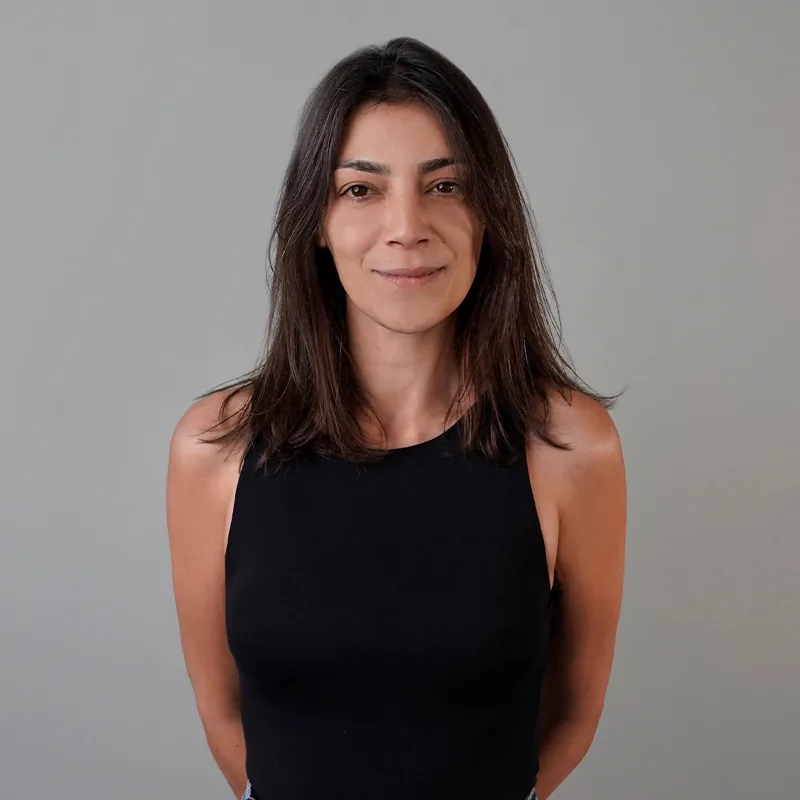
Coordinator of the GUERRE project, working at the intersection of innovation, cultural heritage, and international collaboration. With a multidisciplinary background in project management, operations, finance, and stakeholder engagement, she leads the coordination of the consortium and supports the effective delivery of the project’s activities, ensuring that research, creativity, and digital innovation come together in a coherent and impactful way.
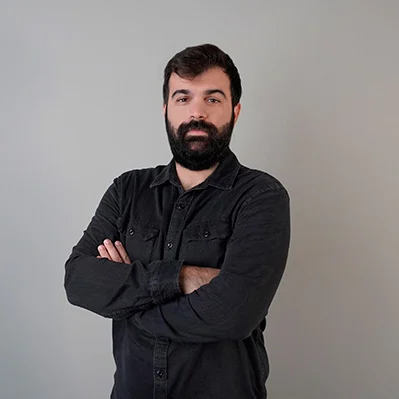
Alexandros holds a BA in History and Archaeology and an MA in European History. He is a PhD candidate at the University of Patras, researching labour relations in Greece during the First World War. He is also a fellow researcher at the École française d'Athènes, studying the nutritional and culinary practices of the Greek population on the Macedonian Front. He is one of the coordinators of the international working group Military Labour History of the European Labour History Network and a member of the Larissa Oral History Team, having conducted over 40 interviews on food practices during war and occupation. He has presented his research at international conferences, including Food and Nutrition in Wartime in the Modern World, 19th–21st Centuries at the University of Oxford, the 11th IEHCA Conference in Tours, France, The Greater War of Military Occupations in Europe: Antecedents, Experiences and Legacies at Cegesoma, Brussels and the 4th, 5th and 6th ELHN Conferences in Vienna, Uppsala and Barcelona, respectively. He is also one of the editors for an upcoming edited volume on visual sources and military labour to be published by Palgrave Macmillan.

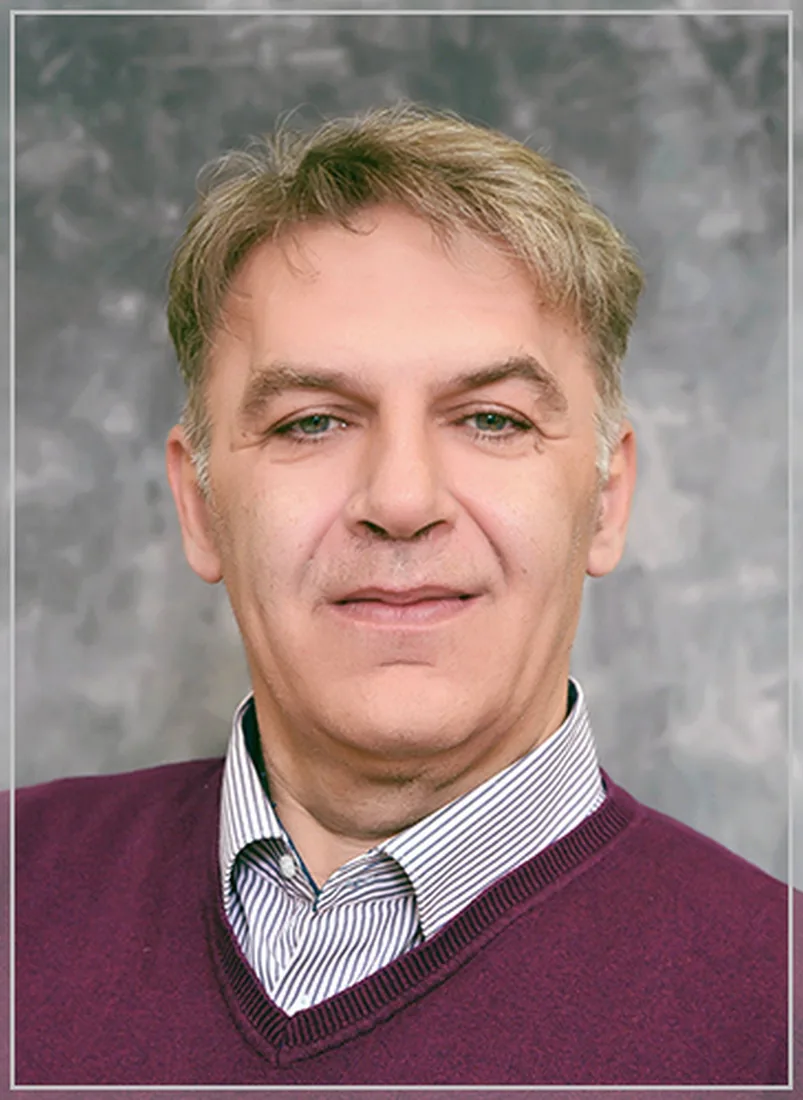
Dr. Dalibor Jovanovski is a full professor of Modern History at the Institute of History, Faculty of Philosophy in Skopje, where he has been teaching since 1997. He obtained his BA in 1996, his MA in 2000, and his PhD in 2003. He was promoted to full professor in 2014.
His research focuses on the history of the Balkan peoples, with particular emphasis on diplomacy, intellectual history, and the role of elites in shaping modern national identities and nationalisms in Southeast Europe. His scholarly interests also include inter-Balkan relations and the political and cultural dynamics of the region in the nineteenth and twentieth centuries.
He has published numerous books, articles, and textbooks, and has taken part in a wide range of international conferences and research projects. He serves as head of Institute of History at the Faculty of Philosophy and is actively involved in editorial work and international academic cooperation.
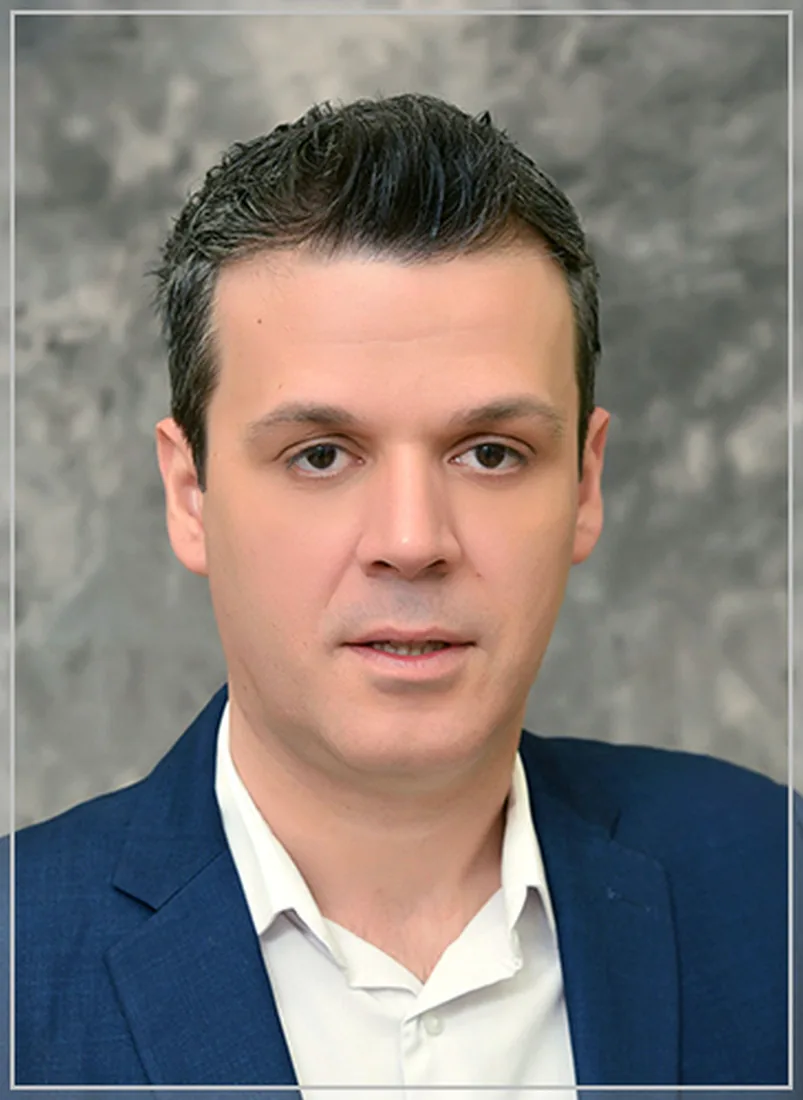
Nikola Minov holds a PhD in History. Since 2015, he has been working as a professor of Modern European History at the Department of History, Faculty of Philosophy in Skopje.
His research focuses on the social, intellectual and political history of Ottoman Macedonia. His diverse scholarly interests include the social and intellectual history of Europe in the eighteenth and nineteenth centuries, ideas and ideologies, the Eastern Question, imperialism, state-sponsored propaganda, the history of education, and the history of social mobility. In addition, his work engages with the history of minorities in the Balkans, patterns of migration and population movements in the region, and the complex processes of identity formation and cultural interaction in Southeast Europe.

Project Manager
Sociologist, musicologist and historian with extensive experience in cultural projects management on heritage, minorities and war studies. Maja holds PhD in sociology and MA in musicology. She is employed as a Senior research associate at the History Department of the Faculty of Philosophy, University of Belgrade. Her research is at the intersection of musicology, history and sociology, with a focus on the relationship between culture and politics. Beside dedicated work on WWI and WWII, and Cold War, she expanded her scope of interest to the phenomenon of populism in the territory of the former Yugoslavia on the international project Horizon 2020 from the European Commission fund "POPREBEL Populist rebellion in Eastern and Central Europe after the Fall of Berlin Wall". Also, since 2019, she has been working on a project of digitizing Jewish heritage in Vojvodina. She published three monographs: Film music in SFRY: between politics and poetics (Belgrade, Hera edu, 2016). For the second in two languages, Serbian in 2021 and English in 2023, Jewish musicians in Belgrade: From the Balfour Declaration to the Holocaust (Belgrade, Musical Institute SANU and Hera edu) received the "Stana Đurić Klajn" award for the most significant contribution in the field of musicology, the award for the most significant scientific publication at the International Book Fair in Sarajevo and the "award for encouraging cultural exchange in the region" at the Book Fair in Podgorica. The last book Jews in cinema culture of Croatia 1896-1945 was published in Zagreb in 2024.
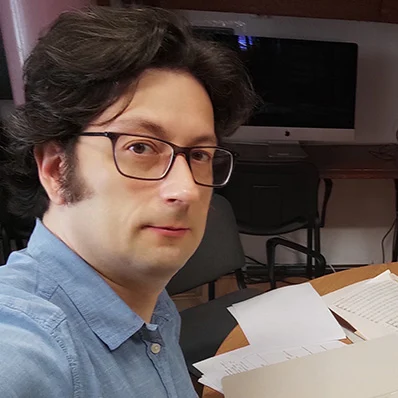
Department of History, Faculty of Philosophy, University of Belgrade
Vladimir Abramović is a Postdoctoral Researcher at the Department of History at the Faculty of Philosophy of the University of Belgrade. He was a member of the working groups on international projects COST Action IS1301 New Communities of Interpretation: Contexts, Strategies and Processes of Religious Transformation in Late Medieval and Early Modern Europe and COST Action TU1203 Crime Prevention through Urban Design and Planning. He is a secretary of the scientific journal Acta historiae medicinae stomatologiae pharmaciae medicinae veterinariae since 2013. In 2014–2015 Abramović conducted research in the Austrian State Archives as a grantee of OeAD, and in 2017 he conducted archival research in the General State Archives in Karlsruhe (Germany) as a grantee of DAAD. He has published a monograph titled The Battle of Slankamen 1691 (Belgrade: HeraEdu, 2018).
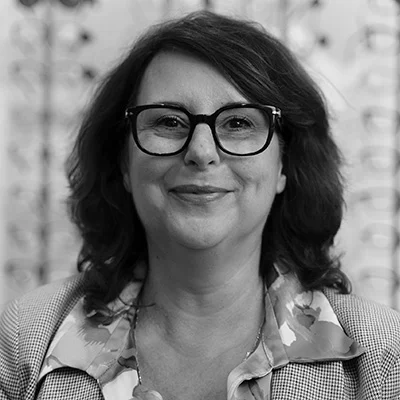
Jelena Erdeljan is a professor at the Department of Art History, University of Belgrade – Faculty of Philosophy and at the interdisciplinary master program Religion in society, culture and European integration at the University of Belgrade. Prof. Erdeljan is a scholar in the field of study of Byzantine, Serbian medieval and pre-modern art of the Balkans and the Mediterranean world, including Jewish art and culture. She has published extensive volumes on these issues, most notably Chosen Places: Constructing New Jerusalems in SlaviaOrthodoxa (Brill 2017). She has organized and participated in a number of international research projects, congresses, symposia, and is a member of editorial boards of several scientific journals and book series published in Serbia (Zograf) and abroad (Papers of the Bulgarian Academy of Sciences; IKON book series published by Brepols). She is the founder and director of the Center for the Study of Jewish Art and Culture at University of Belgrade – Faculty of Philosophy and decorated Kavayera del Ladino.
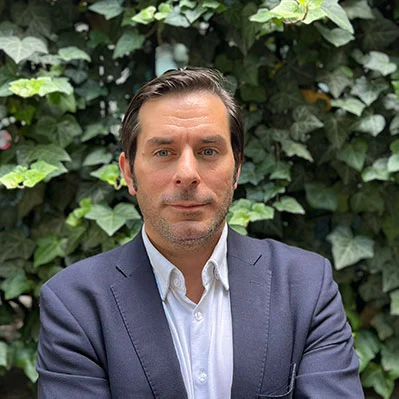
Haris Dajč (historian). He finished his BA, MA, and PHD at the Faculty of Philosophy, Department of History. In addition, he completed his Master's studies at the UCL SSEES. He also conducted numerous study visits, professional training courses, and research activities in London, Venice, Padua, Krakow, and Israel. His research interests include the Balkans and the Mediterranean from the 18th to the 21st century, the history of Belgrade, the position of Jews in Yugoslavia after 1945, and the development of populism in the countries of the former Yugoslavia. He has been a visiting professor in Krakow (Jagiellonian University, Institute of European Studies) since 2019. He was part of several research and academic projects funded by the EACEA, Erasmus Sport, and the Serbian Ministry of Science. He was a Scientist in Charge of the H2020 Poprebel project, with a special focus on the dissolution of Yugoslavia and populist parties and on Russian influence in the former Yugoslav space. He was a Scientist in Charge of the MSC ITN Fatigue project, which focused on the rise of Illiberalism/Populism. He published five books: The Dusk of the Old Mediterranean: The Ionian Islands 1774−1815 (2016), The Houses of Belgrade Jews 1920-1941 (2018), Sava Slope: Following the Path of Belgrade Urban Development 19-20th century (2019); East Mediterranean: Great Britain and France in the Levant 1796-1807 (2020); Malta 1792-1805: The beginning of the British dominance in the Mediterranean (2025). He co-edited three books: Faces of Populism (Jagiellonian University Press, 2023), Contemporary Populism and its Political Consequences (Institute Ivo Pilar Zagreb, 2022), and Postepidemiološki stres: Istorijske i medicinske dileme (NDIZK and Faculty of Philosophy, 2024). He is the chairman of the Serbian Cricket Federation.
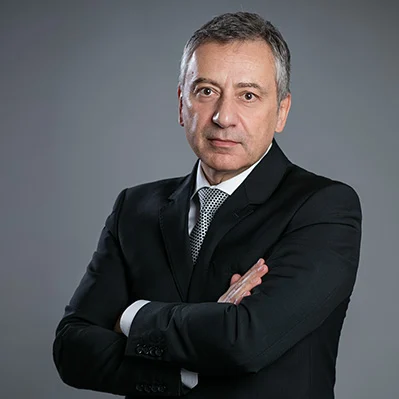
Nikola Samardžić teaches early modern and contempory history. Fulbright Scholar in 2003, New York University, USA. Editor in chief of journal Acta Historiae Medicinae.

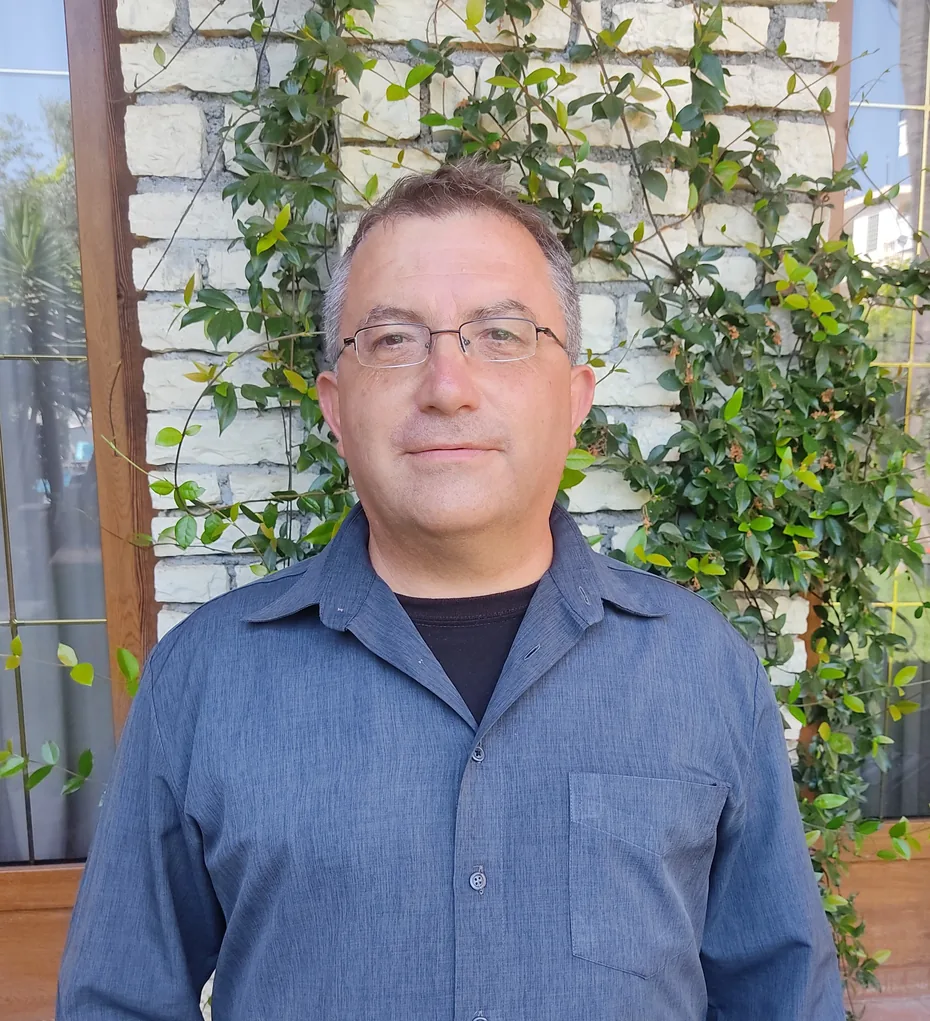
Nikolai Vukov is Associate Professor at the IEFSEM in Sofia–BSA. Head of “Anthropology of Verbal Traditions” Department.
His research is related to memory and commemorations; monuments and museums; migrations and cultural heritage. Nikolai is a UNESCO facilitator and ICH expert. In the context of GUERRE, Nikolai will coordinate the workshop on managing sensitive cultural heritage in conflicting environments. At the same time, he will lead the mapping of memorial sites and be responsible for collecting reports from each partner's activities and their compilation for the methodological handbook development.
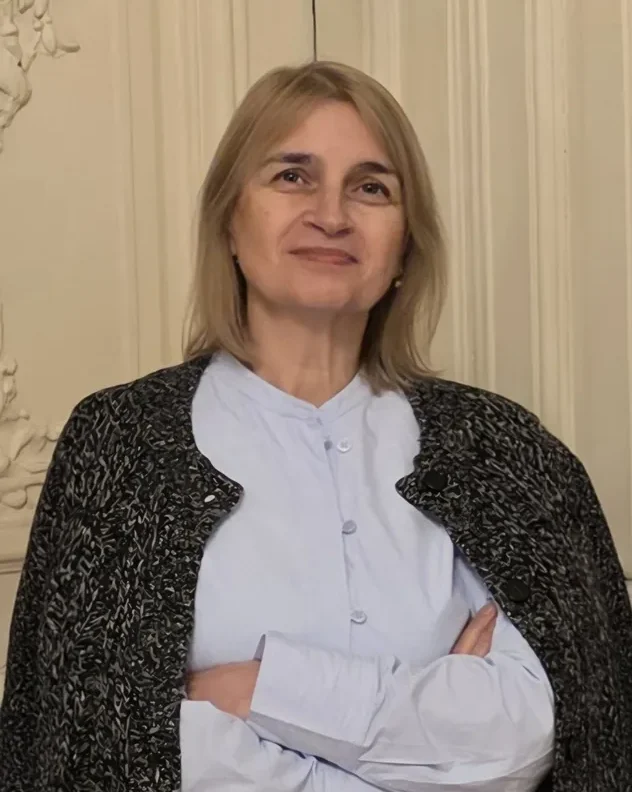
Iglika Mishkova is Associate Professor PhD. at the IEFSEM – BSA. Having graduated in history at Sofia University "St. Kliment Ohridski", she has specialisations in "History of Byzantium and the Balkans", "Ethnology", and "Museology". She is currently acting Deputy Director of IEFSEM and head of the National Ethnographic Museum within IEFSEM. Her research interests are in the field of cultural heritage, traditional culture in the Balkans, museology, and educational practices in contemporary museums. In the project context, Iglika will bring her expertise in museum curation and management and her capacity to foster the educational aspects of the exhibition.
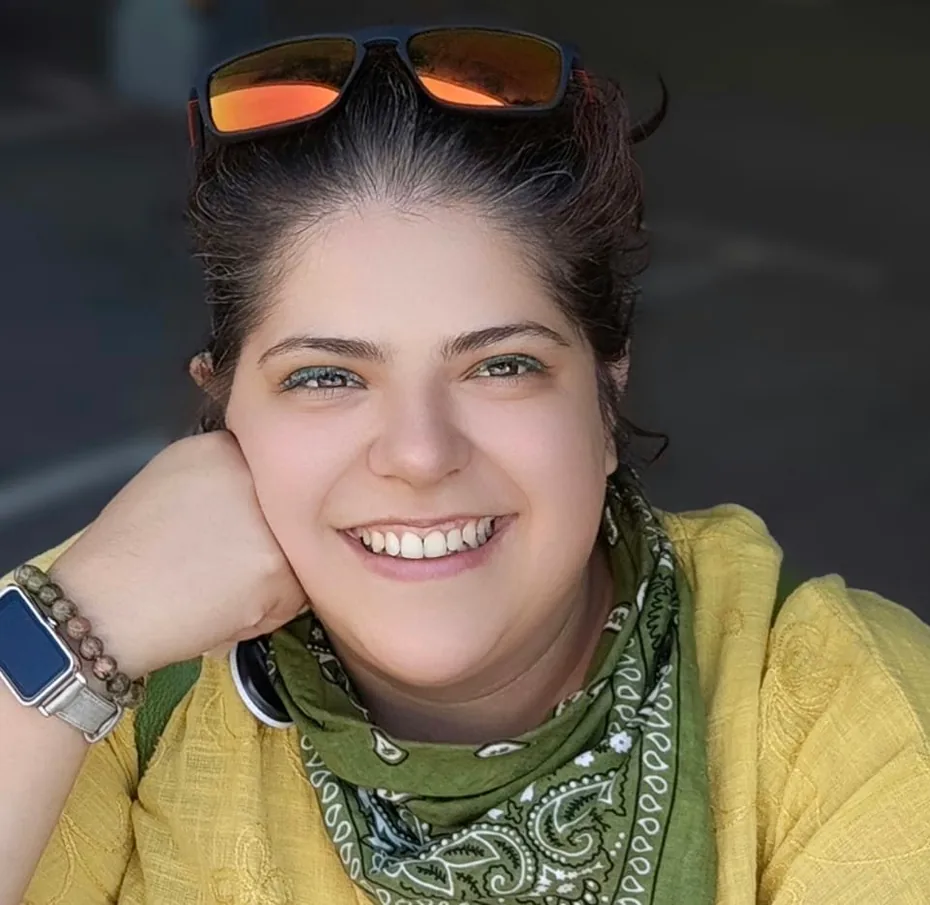
Mariya Slavcheva is a post-doctoral researcher at the IEFSEM in Sofia – BSA. She has experience as a researcher, communication and public relations specialist at Plovdiv University “Paissiy Hilendarski” and the Municipality in Stara Zagora. Her research is in the social history of physically impaired and socially excluded groups, verbal traditions, and oral history testimonies. In the project, Mariya will contribute with her expertise in studying physically impaired and socially excluded individuals returning from the front and becoming a major factor in shaping collective memory during the interwar period. Mariya will take part in activities to highlight this aspect of social history related to war invalids, veterans’ accounts, and their involvement in memorial initiatives.
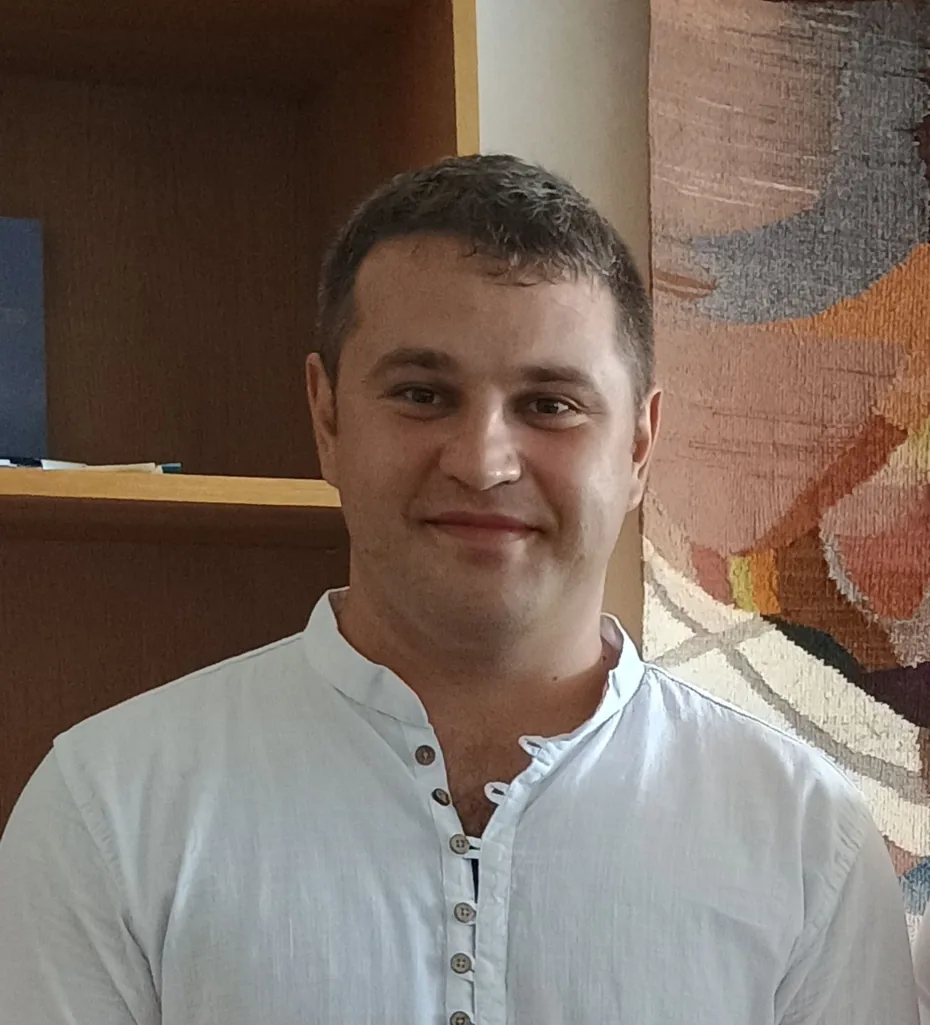
Shteriyo Shterev is a researcher at the IEFSEM – BAS in Sofia. He holds a PhD in Ethnology and Folklore Studies from the Southwestern University “Neofit Rilski” – Blagoevgrad. His main research interests are focused on traditional verbal culture, migration processes, and cultural heritage. Within the framework of the project, he will be involved in activities related to the photographing and describing of monuments and the presentation of mass exodus of population in the context of sensitive cultural heritage
Reach out to learn more about our projects, partnerships, and how you can join our mission to empower youth through innovation.
To provide the best experiences, we use cookies to store and/or access device information. Consenting to these technologies will allow us to process data such as browsing behavior.